
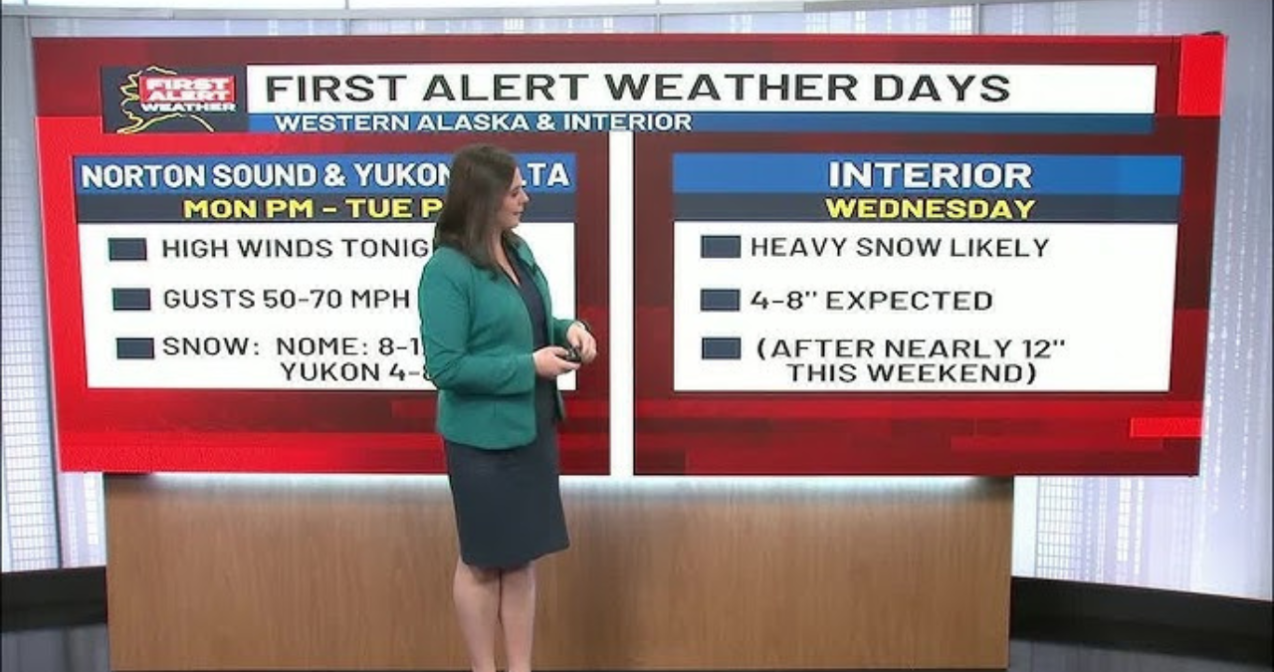

When you hear the phrase alaska interior snow warning, it’s more than just a weather alert. It’s a serious message that tells people to prepare, stay alert, and protect their homes and families. The Interior region of Alaska is known for its extreme winter weather. Snowfall can be heavy, temperatures can drop far below zero, and winds can turn an ordinary storm into a dangerous situation.
Still, there’s no need to panic. With the right knowledge and preparation, you can face any alaska interior snow warning with confidence. In this detailed guide, we’ll explore what the warning means, why it happens, how it affects daily life, and most importantly, how you can stay safe and ready.
Understanding the Alaska Interior Region
The Interior of Alaska is a vast and rugged region. It includes communities such as Fairbanks, which is one of the largest cities in the area. This region is far from the ocean, which means it has a continental climate. That’s a fancy way of saying winters are long, dark, and extremely cold.
Some key features of the Alaska Interior:
- Very low winter temperatures, often below -30°F
- Heavy snowfall during winter months
- Frozen rivers and thick ice
- Boreal forests and wide open spaces
- Limited daylight in midwinter
Because of these conditions, the alaska interior snow warning plays an important role in protecting lives and property.
What Is an Alaska Interior Snow Warning?
An alaska interior snow warning is an official weather alert issued when heavy snowfall is expected in the Interior region. These warnings are usually sent out by the National Weather Service.
A snow warning typically means:
- Heavy snow is expected within 12 to 24 hours
- Snow may reduce visibility
- Travel could become dangerous
- Roads may become icy or blocked
When such a warning is issued, it’s not just a suggestion. It’s a signal to take action right away.
Why Snow Warnings Matter So Much in the Interior
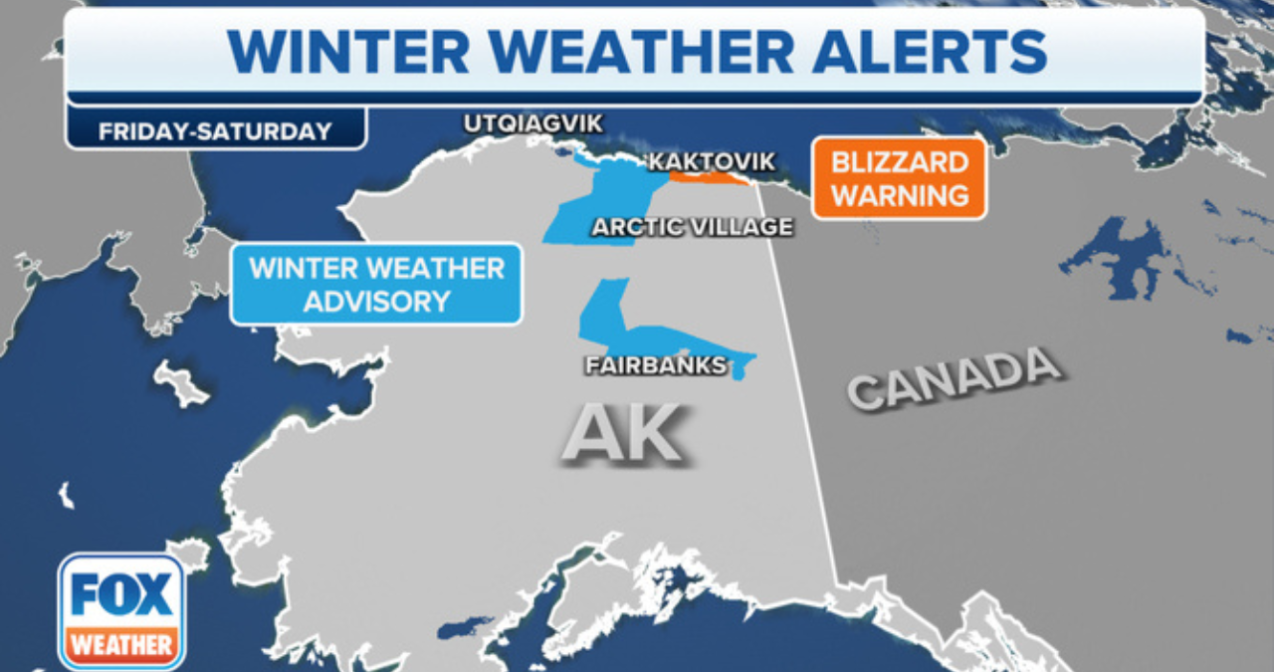
You might think, “It’s Alaska. Snow is normal!” And yes, snow is common. But the amount and speed of snowfall during an alaska interior snow warning can be extreme.
Here’s why it matters:
- Road conditions worsen quickly
- Blowing snow reduces visibility
- Extreme cold increases frostbite risk
- Power outages can happen
- Emergency services may be delayed
In remote areas, even a small delay can make a big difference. That’s why people take these warnings seriously.
How the Alaska Interior Snow Warning Is Issued
4
Weather experts monitor storms using:
- Satellite images
- Radar systems
- Temperature readings
- Wind speed data
- Snowfall predictions
When forecasters see that snow will reach warning levels, they issue the alaska interior snow warning through:
- TV and radio
- Mobile alerts
- Weather apps
- Official websites
It’s amazing how modern technology helps communities stay one step ahead of the storm.
Common Causes of Heavy Snow in Alaska’s Interior
Snowstorms in this region don’t just appear out of nowhere. They usually happen because of:
Arctic Air Masses
Very cold air from the Arctic moves south and combines with moisture.
Low-Pressure Systems
Storm systems can move inland and drop large amounts of snow.
Temperature Inversions
Cold air gets trapped near the ground, increasing snowfall chances.
When these conditions mix together, the result can trigger an alaska interior snow warning.
Effects of an Alaska Interior Snow Warning on Daily Life
Life doesn’t completely stop, but it definitely slows down.
Schools and Businesses
- Schools may close for safety
- Businesses may reduce hours
- Flights may be delayed or canceled
For example, flights at Fairbanks International Airport can be affected during major snow events.
Transportation
- Roads become slippery
- Snowplows work around the clock
- Public transportation may run late
Home Life
- Heating systems work overtime
- Driveways need constant clearing
- Outdoor activities are limited
But here’s the silver lining — many families use this time to bond, enjoy warm meals, and stay cozy indoors.
Safety Tips During an Alaska Interior Snow Warning
Preparation is your best friend during an alaska interior snow warning. Let’s break it down into simple steps.
Before the Storm
- Stock up on food and water
- Charge mobile devices
- Fill up your vehicle’s gas tank
- Check heating systems
- Prepare emergency kits
During the Storm
- Stay indoors as much as possible
- Avoid unnecessary travel
- Wear warm layered clothing
- Keep pets inside
- Listen to weather updates
If You Must Travel
- Drive slowly
- Keep headlights on
- Carry blankets and supplies
- Tell someone your route
Remember: It’s better to be safe than sorry.
Emergency Kit Checklist for Alaska Winters
Here’s a helpful table to guide you.
| Item | Why It’s Important |
|---|---|
| Flashlight | For power outages |
| Extra batteries | To keep devices running |
| Blankets | Prevent hypothermia |
| Non-perishable food | Easy meals without cooking |
| Bottled water | Clean drinking water |
| First aid kit | Treat minor injuries |
| Portable phone charger | Stay connected |
| Snow shovel | Clear paths safely |
| Ice melt or sand | Improve traction |
Having these supplies ready makes facing an alaska interior snow warning much easier.
Health Risks During Heavy Snow Events
Winter weather can be beautiful, but it can also be dangerous.
Frostbite
Frostbite can happen in minutes when temperatures are very low.
Hypothermia
When body temperature drops too low, it becomes life-threatening.
Heart Strain
Shoveling heavy snow can strain the heart.
To stay healthy:
- Dress in layers
- Take breaks while shoveling
- Stay dry
- Avoid alcohol outdoors
A little caution goes a long way.
The Role of Community During an Alaska Interior Snow Warning
One of the most heartwarming things about Alaska is its strong community spirit.
Neighbors often:
- Help clear driveways
- Check on elderly residents
- Share supplies
- Offer warm shelter
Communities in and around North Pole are known for their cooperation during winter storms. When an alaska interior snow warning is issued, people come together like one big family.
How Climate Patterns Influence Snow Warnings
Weather patterns change from year to year. Some winters bring record snowfall, while others are milder.
Factors that influence snowfall include:
- Arctic oscillation patterns
- Ocean temperatures
- Jet stream shifts
- Seasonal pressure systems
4
Local governments prepare months in advance.
They:
- Maintain snowplows
- Store road salt and sand
- Train emergency crews
- Inspect power lines
Road crews in the Interior work tirelessly during an alaska interior snow warning. It’s hard work, often in freezing temperatures, but it keeps communities moving.
Travel Considerations in Remote Areas
Many parts of Interior Alaska are far from large cities. That means:
- Limited gas stations
- Fewer medical facilities
- Longer response times
If you live in a remote village, preparation becomes even more important.
Travelers heading toward places like Denali National Park should always check weather updates before starting their journey.
Staying Informed During an Alaska Interior Snow Warning
Information is power.
Here’s how to stay updated:
- Weather radio
- Official weather apps
- Local news stations
- Community alerts
Make it a habit to check forecasts daily during winter months. That way, an alaska interior snow warning won’t catch you off guard.
Teaching Children About Snow Safety
Children need to understand winter dangers too.
Teach them:
- Never to play near snowplows
- To wear hats and gloves
- To avoid frozen rivers
- To tell adults if they feel too cold
Knowledge builds confidence. And confident kids make safer choices.
Looking at the Bright Side of Winter
Yes, heavy snow can be challenging. But it also brings beauty and joy.
Fresh snowfall creates:
- Sparkling white landscapes
- Opportunities for sledding
- Peaceful quiet mornings
- Stunning northern lights views
Winter in the Interior isn’t just about warnings. It’s about resilience, tradition, and strength.
Final Thoughts on Alaska Interior Snow Warning
The phrase alaska interior snow warning may sound serious — and it is — but it doesn’t have to be frightening. With preparation, community support, and awareness, residents can handle even the toughest storms.
Living in Alaska’s Interior teaches valuable lessons about patience, strength, and cooperation. Snow warnings remind us to slow down, prepare wisely, and look out for one another.
In the end, an alaska interior snow warning is not just a weather alert. It is a call to be prepared, stay informed, and face winter with courage and confidence.