
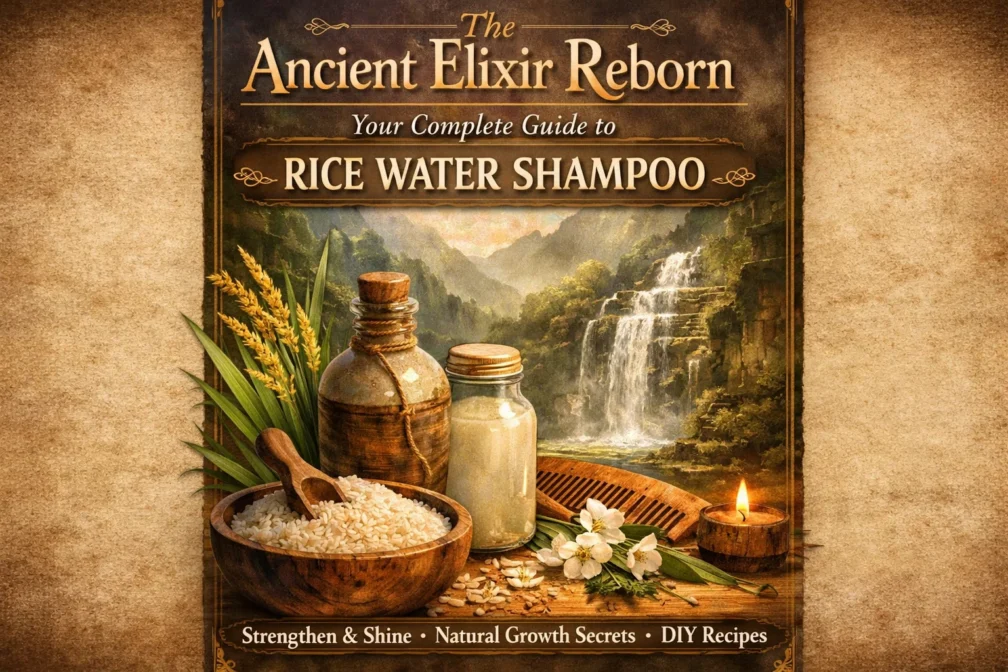

Rice Water Shampoo;For centuries, in the lush rice fields of Asia, a simple yet profound beauty secret was passed down through generations. Women with famously long, glossy, and resilient hair were not relying on expensive potions; they were using the starchy water left over from rinsing rice. Today, this timeless tradition has evolved into one of the most sought-after hair care innovations: rice water shampoo. This isn’t just another fleeting trend. It’s the convergence of ancestral wisdom and modern cosmetic science, offering a gentle, nutrient-rich alternative to harsh, chemical-laden formulas.
A true rice water shampoo harnesses the power of fermented or hydrolyzed rice protein, minerals, and inositol to strengthen the hair shaft, boost luminosity, and improve manageability from root to tip. This comprehensive guide will explore every facet of this phenomenon, from its storied history and biochemical mechanisms to practical recipes and product selection, establishing itself as the definitive resource for anyone seeking to transform their hair health naturally.
The Historical Roots of Rice Water Hair Care
The documented use of rice water for hair beautification traces back over a thousand years to the Heian period in Japan, where court ladies known for their floor-length hair, or “kurokami,” used it as a core part of their rituals. Similarly, the Yao women of Huangluo Yao Village in China, celebrated in Guinness World Records for their average hair length of over six feet, have attributed their legendary tresses to a lifelong practice of washing with rice water. This practice was not merely cosmetic; it was a pragmatic use of available resources, turning a simple byproduct of cooking into a powerful hair treatment. These historical anecdotes provide a compelling narrative that modern science is now beginning to quantify, moving the practice from folklore into the realm of validated hair care.
The transition from a homemade kitchen rinse to a stabilized, shelf-ready rice water shampoo is a story of globalization and cosmetic innovation. As these beauty traditions gained international attention, particularly through viral online beauty communities, the demand for a more convenient and consistent product grew. Cosmetic chemists began to explore ways to capture the active components of rice water—like rice starch, amino acids, and vitamins—in a formulated cleanser that could deliver the benefits without the spoilage and preparation time of the traditional method. This evolution signifies a beautiful synergy: ancient knowledge providing the inspiration for cutting-edge, natural-focused hair care solutions that fit seamlessly into contemporary lives.
The Science Behind the Shine: How Rice Water Nourishes Hair
At its core, rice water is a nutrient-dense solution. When rice is soaked or boiled, it releases a complex blend of compounds into the water, each playing a unique role in hair health. The most significant component is inositol, a carbohydrate that can penetrate the hair shaft and repair damage from the inside out. Inositol remains in the hair even after rinsing, providing a protective, strengthening effect that helps prevent future breakage. Furthermore, rice water contains a wealth of amino acids, which are the building blocks of keratin (the protein hair is made of), and B vitamins like niacinamide (B3) that are known to improve blood circulation to the scalp, potentially creating a healthier environment for hair growth.
Another key player is rice starch. This component provides a temporary, lightweight coating on the hair strand. This coating smooths down the hair’s cuticle—the outer layer—which is responsible for reflection and shine. A flattened, smooth cuticle reflects light uniformly, creating that coveted high-gloss finish. Additionally, this starch can offer a mild volumizing effect by slightly thickening the hair shaft, and it contains antioxidants like ferulic acid that help protect hair from environmental stressors like UV radiation and pollution. It’s this multifaceted biochemical profile that makes a well-formulated rice water shampoo more than just a cleanser; it’s a targeted treatment that addresses strength, texture, and luminosity simultaneously.
Key Benefits of Integrating Rice Water into Your Hair Routine
The primary and most celebrated benefit of using a rice water shampoo is its profound ability to strengthen hair and reduce breakage. The inositol and amino acids fortify the hair fiber, increasing its elasticity. Think of a hair strand like a rubber band; a dry, brittle one snaps easily, but a flexible, resilient one can stretch and return to its original state. Rice water treatment improves that flexibility, meaning hair is less likely to snap during brushing, styling, or even while sleeping. This leads to visibly reduced split ends and less hair shedding in the shower drain, allowing length to be retained more effectively over time. For those on a hair growth journey, minimizing breakage is arguably more critical than speeding up the growth cycle from the follicle.
Secondly, rice water is unparalleled in its ability to impart sublime shine and silky smoothness. The starch acts as a natural detangler and conditioner, drastically improving hair manageability. This results in less friction between strands, which not only makes combing a breeze but also further prevents mechanical damage. The shine achieved is not a greasy, product-heavy gloss but a healthy, intrinsic luminosity that signals well-moisturized and sealed hair cuticles. Many users also report enhanced wave definition and curl pattern for those with textured hair, as the light protein helps shape and support the hair’s natural structure without the heaviness of butters or oils that can sometimes weigh curls down.
Fermented vs. Simple: Understanding Different Rice Water Preparations
Not all rice water is created equal, and the preparation method significantly impacts its potency and ideal use case. Simple rice water is the most basic form, made by rinsing uncooked rice to remove debris and then soaking it in water for a short period (30 minutes to an hour) or by collecting the starchy water from boiling rice. This version is rich in starch and water-soluble vitamins, providing good detangling and shine benefits. It’s a gentle introduction and suitable for finer hair types that might be sensitive to heavier treatments. However, its nutrient profile is less complex than its fermented counterpart, and it has a very short shelf life of about a day when refrigerated.
Fermented rice water, often called “rice wine” for hair, is where the magic intensifies. This process involves letting the simple rice water sit at room temperature for one to three days, allowing natural lactic acid bacteria and yeast to proliferate. Fermentation breaks down the starches and proteins into smaller, more bioavailable molecules that can penetrate the hair shaft more effectively. It also increases the content of antioxidants and creates a lower pH, which is excellent for scalp health and for tightening the hair cuticle. While fermented rice water is considered more powerful for strengthening and growth, its scent can be pungent, and it is too strong for some, potentially leading to protein overload if used too frequently. A commercial rice water shampoo often uses stabilized fermented extracts or hydrolyzed rice protein to deliver these benefits without the odor or spoilage.
Identifying Your Hair’s Needs: Is Rice Water Shampoo Right for You?
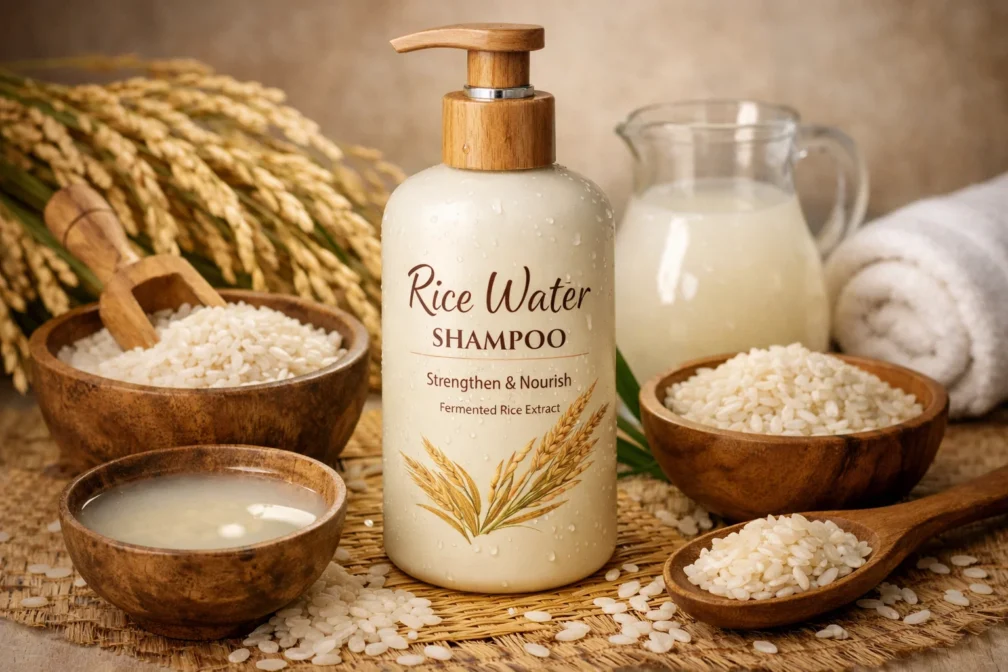
Rice water shampoo offers a spectrum of benefits, but its effects can vary based on individual hair type and condition. It is generally a fantastic option for those with damaged, chemically treated, or high-porosity hair. This hair type has a raised, uneven cuticle that readily absorbs moisture but loses it just as quickly; the protein and inositol in rice water help fill in these gaps, acting as a reconstructor to improve integrity and moisture retention. It’s also excellent for fine, limp hair seeking volume and body without residue, as the starch provides a light, clean lift at the root. Anyone struggling with dullness, tangling, or lack of shine will likely see a noticeable improvement.
However, caution is advised for those with very low-porosity hair or hair that is already protein-sensitive. Low-porosity hair has a tightly bound cuticle that resists penetration, and heavy protein treatments can build up on the surface, making hair feel stiff, straw-like, and brittle—a condition known as “protein overload.” If your hair reacts poorly to products labeled “strengthening,” “repair,” or containing keratin, you should introduce a rice water shampoo slowly, perhaps as an occasional treatment rather than a daily wash. Always listen to your hair: if it starts to feel dry, rough, or less elastic, scale back usage and focus on moisturizing deep conditioners.
The Modern Formulation: What to Look for in a Quality Product
Navigating the growing market of rice water shampoos requires a discerning eye. A high-quality product should position rice-derived ingredients—not just fragrance—at the top of its ingredient list (INCI). Look for terms like Oryza Sativa (Rice) Water, Hydrolyzed Rice Protein, or Fermented Rice Extract. Hydrolyzed protein is specially processed to a small molecular size, allowing it to bind to the hair effectively. Be wary of products where “rice water” appears only as a marketing claim far down in a list filled with harsh sulfates like Sodium Lauryl Sulfate (SLS), which can strip the hair and scalp of natural oils, counteracting the nourishing benefits. Instead, opt for formulas paired with gentle cleansers like Cocamidopropyl Betaine or Decyl Glucoside.
The supporting cast of ingredients is equally telling. A great rice water shampoo will often be enriched with complementary botanicals that address scalp health and moisture balance. Ingredients like panthenol (pro-vitamin B5) for hydration, aloe vera for soothing, ginger or caffeine extracts for scalp stimulation, and natural oils (argan, camellia) for lipid replenishment create a holistic formula. The product’s pH also matters; a slightly acidic pH (around 4.5 to 5.5) helps maintain the scalp’s acid mantle and promotes a smooth hair cuticle. As one cosmetic chemist we spoke to noted, “The efficacy of a rice water shampoo hinges on its ability to deliver the functional rice compounds in a stable, bioavailable form while maintaining a gentle, scalp-friendly base. It’s a balance of ancient ingredient wisdom and modern formulation science.”
Crafting Your Own: A Step-by-Step Guide to Homemade Rice Water
For the DIY enthusiast, creating your own rice water treatment is a simple, cost-effective process. The basic method involves thoroughly rinsing half a cup of organic white or brown rice to remove any impurities. Then, place the rice in a clean bowl with two to three cups of filtered water. Swirl it gently and let it soak for 30 minutes. The water will become cloudy as the starch leaches out. Strain the rice, saving the milky liquid. This is your simple rice water. To ferment it, pour the liquid into a glass jar, cover it loosely with a cloth or lid (not airtight), and leave it at room temperature for 24-48 hours until it develops a slightly sour smell. Once ready, stop the fermentation by refrigerating it, where it will keep for about a week.
Application is straightforward but important. After shampooing, slowly pour the homemade rice water over your hair and scalp, ensuring full saturation. Gently massage it in and let it sit for 10-20 minutes as a treatment mask. For a lighter daily use, you can dilute it with equal parts water and use it as a final rinse after cleansing. Always follow with a conditioner, especially on your ends, as the protein can be slightly drying. A common misconception is that more is better; overuse of strong homemade preparations can lead to protein overload. Start with once a week and observe how your hair responds. This hands-on approach connects you directly to the tradition, but for consistency and integrated cleansing, a professionally formulated rice water shampoo is often the more practical long-term solution.
Strategic Integration: How to Use Rice Water Shampoo for Best Results
To harness the full potential of your rice water shampoo without overwhelming your hair, a strategic approach is key. Begin by incorporating it into your routine gradually. If you have normal to high-porosity hair, start by using it once or twice a week, replacing your regular shampoo in those sessions. Pay attention to how your hair feels in the days following. Does it seem stronger and shinier, or does it begin to feel dry and stiff? Your hair’s response will guide your ideal frequency. For many, using a rice water shampoo as a weekly clarifying and strengthening treatment is the sweet spot, while others with very damaged or porous hair may tolerate it more frequently.
Balancing protein with moisture is the golden rule of hair care. Rice water shampoo provides excellent protein reinforcement, but hair also needs adequate hydration and lipids. Therefore, always follow your rice water shampoo with a rich, moisturizing conditioner or a deep conditioning mask, focusing on the mid-lengths and ends. Consider alternating your rice water wash with a moisturizing or co-wash product to maintain equilibrium. For a monthly intensive treatment, you can pair the shampoo with a separate rice water rinse or mask. This layered strategy ensures you reap the strengthening and shine benefits while keeping hair supple, soft, and perfectly balanced.
Demystifying Common Myths and Setting Realistic Expectations
The internet is rife with hyperbolic claims about rice water, and it’s crucial to separate fact from folklore. One pervasive myth is that rice water directly and dramatically speeds up the rate of hair growth from the follicle. While the improved scalp environment from B vitamins and reduced breakage from inositol can help you retain more length—making hair appear to grow faster—there is no strong scientific evidence that it alters the actual growth cycle’s speed. Its primary action is as a superb hair strengthener and conditioner, not a follicle stimulant in the way minoxidil is. Managing expectations is important; you should look for reduced shedding, less breakage, and enhanced shine, not overnight Rapunzel-like growth.
Another common misunderstanding is that rice water can replace protein treatments from a salon. While it is a source of protein, it is considered a light protein. For hair that is severely damaged from bleaching, chemical straightening, or excessive heat, a professional, heavier protein reconstruction treatment may be necessary as an initial rescue step. A rice water shampoo is then perfect for ongoing maintenance to preserve that repaired state. Furthermore, the idea that “fermented is always better” isn’t universal. For some, especially those with protein sensitivity, the simple version is superior and less likely to cause adverse reactions. Understanding these nuances ensures you use this powerful ingredient correctly and effectively for your unique hair profile.
Comparative Analysis: Rice Water Shampoo Versus Other Natural Alternatives
The natural hair care landscape is rich with options, and understanding how rice water stacks up against other popular ingredients can help you make an informed choice. The following table breaks down key comparisons:
| Treatment/Ingredient | Primary Benefits | Best For Hair That Is… | Key Consideration |
|---|---|---|---|
| Rice Water Shampoo | Strengthening, shine, detangling, light protein, volume. | Damaged, porous, fine, dull, prone to breakage. | Can cause protein overload if overused on low-porosity hair. |
| Aloe Vera | Soothing, hydrating, scalp calming, pH balancing. | Dry, itchy scalp, low-porosity, needs moisture without weight. | Very lightweight; may not provide enough slip or strength for highly damaged hair. |
| Apple Cider Vinegar Rinse | Clarifying, closes cuticle, removes mineral/build-up, adds shine. | Buildup-prone, dull, hard water exposure. | Highly acidic; must be diluted and used infrequently to avoid dryness. |
| Clay Wash (Rhassoul/Bentonite) | Deep cleansing, detoxifying, adds mineral volume. | Oily scalp, limp, product-heavy. | Can be very drying to hair lengths; requires careful follow-up conditioning. |
| Coconut Oil | Pre-wash penetrating moisture, reduces protein loss. | Medium to high porosity, dry, curly/coily textures. | Can be comedogenic on scalp, heavy for fine hair, difficult to wash out. |
As the table illustrates, a rice water shampoo occupies a unique niche. Unlike purely cleansing or moisturizing treatments, it offers a combination of protein-based structural support and surface-level shine enhancement. It is less intense than a dedicated protein mask but more reconstructive than a simple herbal rinse. This makes it an exceptional daily or weekly staple for maintenance, often used in rotation with these other alternatives for a comprehensive, holistic hair care regimen.
The Future of Hair Care: Rice Protein in Cosmetic Science
The rise of rice water shampoo is part of a larger, enduring shift in the beauty industry toward multifunctional, food-derived, and sustainably conscious ingredients. Cosmetic research is increasingly focused on upcycling agricultural byproducts—turning rice bran, husks, and fermentation leftovers into high-value actives. This aligns perfectly with the circular economy and reduces waste. Scientists are exploring methods to further isolate and stabilize the most effective compounds in rice, like specific peptides and antioxidants, to create even more potent and targeted hair care solutions. The future may see rice water shampoo evolve into highly specialized formulas: one for color-treated hair focusing on UV protection from ferulic acid, another for fine hair with volumizing rice starch polymers.
Furthermore, the validation of traditional practices through scientific study is a powerful trend. As clinical data mounts on the benefits of inositol for hair strength or rice starch for friction reduction, it elevates these ingredients from “folk remedy” status to clinically backed staples. This bridges the gap between cultural heritage and evidence-based formulation. The humble grain of rice, a global dietary staple, is thus being reimagined not just as sustenance for the body, but as a foundational nourishment for hair, cementing its place in the future of conscious, effective personal care. The modern rice water shampoo is the first chapter in this exciting convergence.
Conclusion: Embracing a Time-Tested Tradition for Healthier Hair
The journey from the paddies of ancient Asia to the shower shelves of today is a testament to the enduring power of simple, natural wisdom. Rice water shampoo is far more than a passing fad; it is a scientifically grounded, results-driven approach to achieving stronger, shinier, and more manageable hair. By understanding its rich history, the biochemical mechanisms at play, and how to integrate it thoughtfully into your routine, you empower yourself to make informed choices about your hair care. Whether you choose a meticulously formulated commercial product or embark on the DIY path, the key lies in consistency and balance.
Ultimately, the promise of rice water is the promise of hair that is not just superficially styled, but fundamentally healthier. It encourages us to look to gentler, nutrient-rich alternatives and to appreciate the profound efficacy that can come from nature’s pantry. By incorporating this ancient elixir into your modern regimen, you join a lineage of beauty wisdom, cultivating hair that radiates vitality and strength. The path to remarkable hair health may very well begin with the transformative power of a simple grain of rice.
Frequently Asked Questions
Can rice water shampoo cause hair to become too dry or brittle?
Yes, if overused, especially on low-porosity or protein-sensitive hair. Rice water provides protein, which in excess can make hair stiff and brittle, a state called protein overload. The key is moderation. Start by using your rice water shampoo once a week, always follow with a moisturizing conditioner, and monitor your hair’s texture and elasticity. If it feels straw-like, reduce frequency.
How long does it typically take to see results from using a rice water shampoo?
Most users report noticing improved shine and manageability after just one or two washes. However, the more significant structural benefits—like reduced breakage and less shedding—typically become apparent after consistent use over 4 to 6 weeks. Hair growth (length retention) is a slower process and may take 2-3 months of consistent use to become visibly noticeable.
Is rice water shampoo suitable for all hair colors and types?
Absolutely. A well-formulated rice water shampoo is generally safe and beneficial for all hair colors, from natural to chemically dyed, as it helps strengthen the hair shaft and can enhance shine. It is suitable for straight, wavy, curly, and coily textures. However, those with very low-porosity or known protein sensitivity should introduce it cautiously and may benefit more from using it as an occasional treatment.
Can I use rice water shampoo if I have a sensitive or itchy scalp?
It depends on the formulation. Pure, homemade fermented rice water has a low pH that can soothe some scalps. However, commercial shampoos may contain other ingredients that could be irritants. Look for a rice water shampoo that is specifically formulated for sensitive scalps, free from harsh sulfates, heavy fragrances, and includes calming ingredients like aloe vera or oat extract. Always patch test first.
What’s the main difference between a store-bought rice water shampoo and a homemade rinse?
A store-bought rice water shampoo is a stabilized, preserved product that combines rice extracts with other cleansing and conditioning agents for a convenient, all-in-one wash. It has a reliable shelf life and consistent potency. A homemade rinse is a pure, single-ingredient treatment applied after shampooing. It offers a direct, potent dose of rice water nutrients but requires preparation, spoils quickly, and lacks the cleansing and foaming properties of a shampoo.